Ministry of Education — Ghana

Cracking the Symbol Code

Our symbols are not mere emblems — they are the living soul of a nation, the testament of our ancestors' courage, and the compass of our common destiny.

Scroll to Explore

What Does It Mean
to Be Patriotic?

Patriotism is not merely the emotional surge felt during a national sporting victory or the pride of hearing our anthem played on an international stage. True patriotism is a conscious, daily commitment — an unwavering dedication to the values, heritage, and future of one's homeland.

For Ghanaians, patriotism is grounded in an understanding of who we are, where we came from, and where we are going together as a people. It is expressed through respect for our national symbols, active civic participation, and the responsible exercise of our democratic rights and duties. A citizen who does not know their symbols cannot truly love what they do not understand — and a citizen who does not understand their symbols cannot fully serve the nation those symbols represent.

Ghana's national symbols are not decorations hung on government buildings or printed in school textbooks as formalities. They are living civic documents — each one carrying a direct instruction to every Ghanaian about how to live, how to serve, and what kind of citizen their nation needs them to be.

"The Black Star of Africa shall always lead the way." — Kwame Nkrumah, Founder of Modern Ghana

Identity

National symbols give every citizen a shared identity that transcends ethnicity, religion, and region — binding over 100 ethnic groups into one proud Ghanaian people.

🤝

Unity

In a nation of extraordinary diversity, the flag, anthem, and pledge serve as a common thread — reminding every Ghanaian that they share one destiny, regardless of origin.

📜

Heritage

Each symbol carries the memory of the liberation struggle and the sacrifices of our forebears — ensuring freedom is never taken for granted by any generation.

⚖️

Civic Duty

Understanding our symbols empowers citizens to engage responsibly with democratic institutions and to fulfil the duties enshrined in Ghana's 1992 Constitution.

🌍

Pan-African Pride

Ghana's symbols — especially the Black Star — carry continental significance. They connect every Ghanaian to the broader story of African liberation and dignity.

🔭

Future Vision

Our symbols are not only backward-looking. The motto "Freedom and Justice" is a forward-looking manifesto — a daily benchmark for every citizen, institution, and government.

About the Campaign

Proudly Ghanaian: National Symbols Campaign

The Proudly Ghanaian: National Symbols Campaign is an educational and patriotic initiative by the National Commission for Civic Education (NCCE) of Ghana. Its purpose is to deepen every citizen's understanding of Ghana's five national symbols — the Flag, the Black Star, the Coat of Arms, the National Anthem, and the National Pledge — and to clearly communicate how each symbol promotes patriotism, civic responsibility, and national unity.

The campaign is especially directed at Ghana's youth — the next generation of citizens, leaders, and nation-builders. It is also designed for the general public and the Ghanaian diaspora, ensuring that every Ghanaian — wherever they are in the world — can connect with the symbols that define their national identity.

Explore the Symbols
5 National Symbols
100+ Ethnic Groups — One Nation
1957 Year of Independence
1st Sub-Saharan Africa to be Independent
Authorised by the NCCE

The National Commission for Civic Education is a constitutional body established under Article 231 of Ghana's 1992 Constitution, mandated to promote civic awareness, democratic values, and patriotism among all citizens.

Patriotism Is Not a Feeling.
It Is a Practice.

The National Commission for Civic Education teaches that no one is born a good citizen — civic values must be deliberately nurtured. True patriotism is expressed through consistent, daily actions rooted in the values our national symbols demand of us.

🔴

Sacrifice

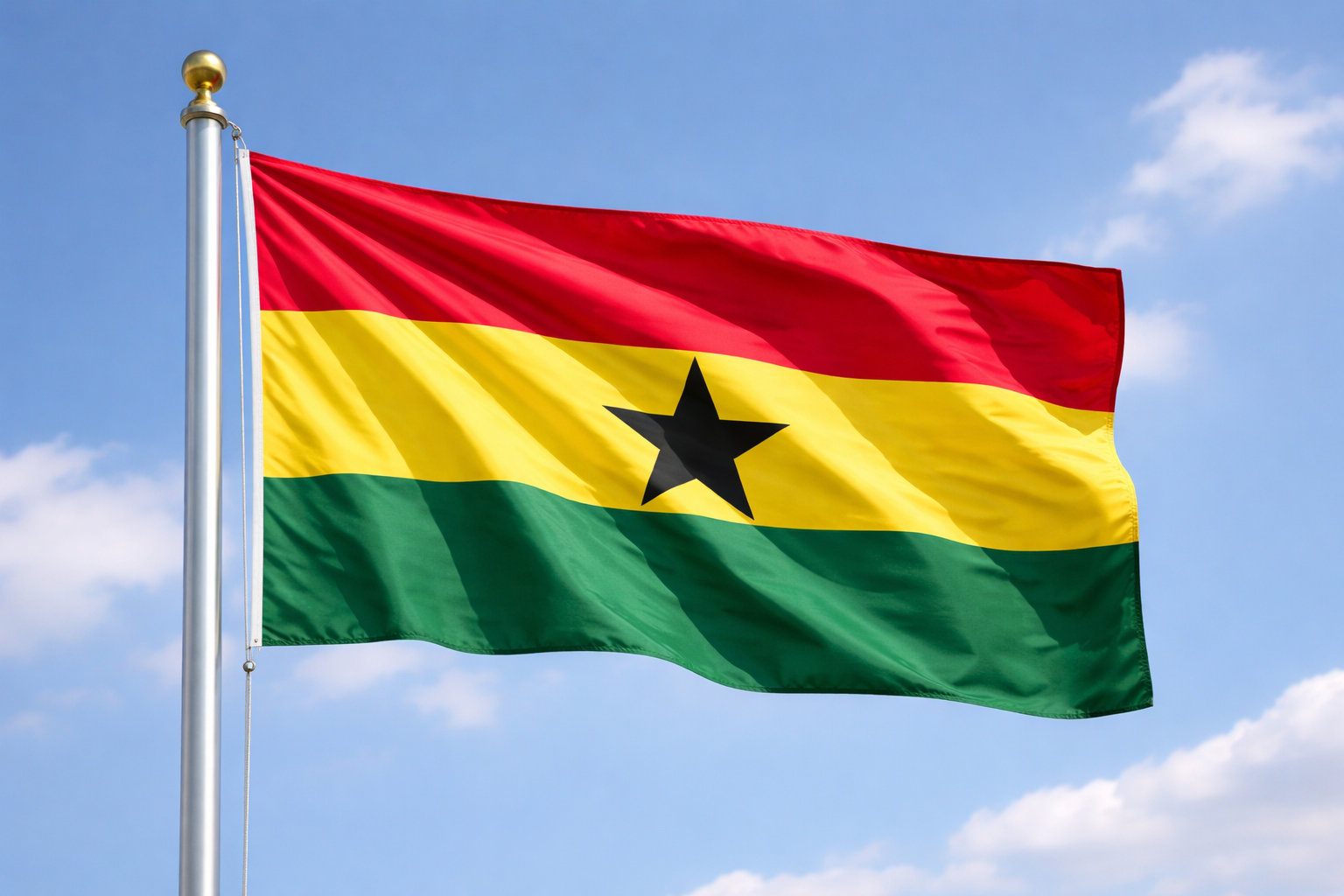
The red stripe on our flag reminds us that freedom was purchased with blood. Patriotism demands that each generation be willing to sacrifice personal comfort and interest for the common good — through honest taxes, civic service, and national commitment.

🟡

Productivity

The gold stripe calls every Ghanaian to contribute to the nation's wealth — through honest work, tax compliance, entrepreneurship, and excellence in every chosen occupation. Ghana's prosperity depends on the daily productivity of its citizens.

🟢

Stewardship

The green stripe demands environmental responsibility. Every Ghanaian is constitutionally obligated under Article 41(k) to protect and safeguard the natural heritage that the flag's green stripe represents — for present and future generations.

Excellence

The Black Star calls every citizen to be a guiding light — to lead by example in their community, profession, and civic life. A star does not follow; it shines. Ghana needs citizens who shine with integrity, courage, and commitment to the nation.

Justice

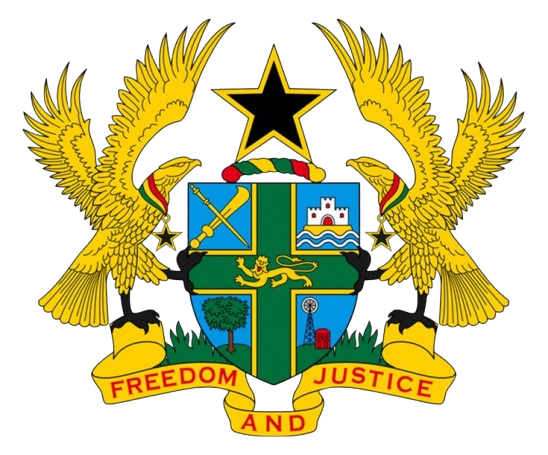
The Coat of Arms motto — "Freedom and Justice" — demands that every citizen treat others fairly, defend the rights of the vulnerable, obey the law, and hold institutions accountable. Justice is not only a government responsibility; it is a citizen's daily practice.

Service

The National Pledge commits every Ghanaian to the service of Ghana "with all my strength and with all my heart." Service — not personal enrichment — is the true expression of civic love. Every Ghanaian who serves their community serves the nation.

The National Symbols
of Ghana

Five enduring emblems of sovereignty, pride, and purpose — each one a chapter in the story of our nation. Select any symbol below to explore its full history, meaning, and civic significance.
The Enduring Importance
of National Symbols

🌍

Unity Across Diversity

Ghana is home to over 100 distinct ethnic groups, speaking dozens of languages and observing varied cultural traditions. Without unifying symbols, such diversity could become a source of division. The national flag, anthem, and pledge serve as a common thread — reminding every Ghanaian, regardless of origin, that they share a single national identity and a common destiny. In this sense, national symbols are not merely decorative; they are constitutionally and socially vital instruments of national cohesion.

📚

Civic Responsibility

When citizens understand what their symbols mean, they better understand their rights and obligations. Knowledge of the national pledge deepens respect for constitutional governance and the rule of law. Symbols are civic educators in their own right.

🏆

National Pride

Whether a Ghanaian student in Kumasi, a professional in the diaspora, or an athlete representing the Black Stars on the world stage — national symbols provide an instant, emotional connection to home, heritage, and belonging that transcends geography.

🌱

Cultural Continuity

National symbols carry the memory of the liberation struggle into every new generation. They ensure that the sacrifices of Ghana's founding fathers — and of all who fought for freedom and dignity — are never forgotten or taken for granted.

🤲

Respect & Moral Compass

Honouring national symbols teaches respect — for shared institutions, for the rule of law, and for fellow citizens. A society that respects its symbols is one that practises the values those symbols represent: freedom, justice, and solidarity.

🔭

A Vision for the Future

Ghana's national symbols do not only look backward — they are a forward-looking manifesto. The motto "Freedom and Justice" is not a description of the past; it is a daily aspiration and a benchmark against which every government, institution, and citizen must measure their conduct.